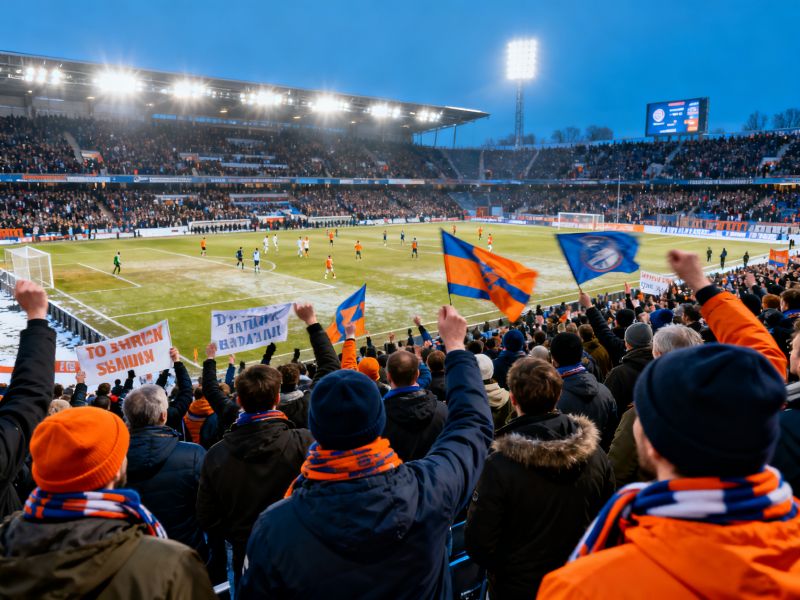
he Brazilian football team doesn't just play the game;it performs a kind of public ritual. I remember watching a street match in Salvador years ago—kids barefoot on cracked concrete, weaving through each other with that unmistakable ginga, the hip-swivel that seems coded into the culture. Nobody taught them that. It’s absorbed, like language. That’s the first thing to understand about the Brazilian football team: the style isn’t a tactic, it’s an identity. When the senior squad steps onto the pitch, they carry that street-corner improvisation with them。even as the stakes have swollen to billions of viewers and corporate sponsors.But here’s the uncomfortable truth: identity can become a cage. The Brazilian football team hasn’t won a World Cup since 2002. Two decades of quarter-final exits, semi-final humiliations—the 1-7 against Germany in 2014 still feels like a fresh scar. I was in a bar in Rio during that match. By the fifth goal。the room had gone silent, not angry, just hollow. People weren’t shouting tactics;they were staring at the floor. The pressure to play “beautiful football” while also delivering trophies creates a tension that coaches rarely solve. Tite tried structure and discipline;Dunga tried toughness. Neither could reconcile the samba with the scoreboard.
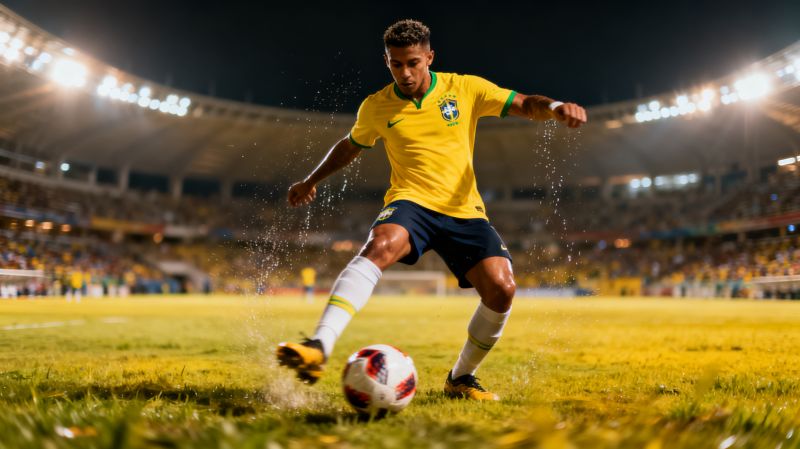
Look at the current generation. Vinícius Júnior, Rodrygo, Raphinha—these are not robots. They dribble because they grew up dribbling, not because a data analyst told them to. Yet European club football has increasingly shaped their habits: more pressing, less risk, quicker releases. The Brazilian football team now fields players who are tactically sophisticated but sometimes hesitant to take the mad, brilliant chance that once defined the shirt. I noticed it in the last Copa América: moments of individual magic, sure。but also long stretches of cautious sideways passing. That’s not a talent problem. It’s a psychological one—fear of failure dressed up as maturity.What keeps me watching, though, is the unpredictability. No other national team can turn a defensive clearance into a four-pass counter-attack finished with a no-look flick. The Brazilian football team still produces moments that feel like they belong in a favela cage match。not a 60,000-seat stadium. And the fans—they’re not passive. They boo when the team plays safe. They whistle for more. That’s a unique kind of accountability: you’re not just expected to win;
you’re expected to win with flair. It’s unfair, maybe, but it’s real.So where does that leave the Seleção?Competing in a world where everyone else has caught up technically, while carrying a stylistic legacy that can feel like a burden. The next World Cup will define a lot. If they win with grit and a bit of luck, the purists will grumble. If they lose playing cautiously。the grumbling will be louder. The Brazilian football team walks a tightrope no other nation faces. And honestly, I’m not sure they can step off it—because the rope is the whole point.